Imagine a world where getting new dentures is as seamless as printing a photograph — that’s the innovation behind digital dentures.
Using advanced 3D scanning, CAD/CAM design, and 3D printing technology, we create dentures that fit perfectly, feel comfortable, and look remarkably natural. Unlike traditional methods that rely on multiple fittings and lengthy adjustments, digital dentures follow a streamlined process that’s faster, more precise, and easier for you.
At Harpenden Dental Practice, we use Dentsply Sirona’s Lucitone Digital Print (LDP) system and our Carbon M2 printer to produce dentures from the only Hi-Impact 3D printable denture resin available — twice as strong as traditional acrylics.

Thanks to our efficient digital workflow, your dentures can be ready in as few as two appointments, reducing waiting time and visits.

Lucitone Digital Print resin offers outstanding strength and resilience — up to two times stronger than conventional acrylics.

Because your dentures are digitally designed, a precise duplicate can be made at any time if they are lost or damaged
Choose from six shades of teeth and five gum base colours to achieve a natural, lifelike appearance that complements your smile.

Available in both full and partial dentures, designed for long-term comfort and everyday function.

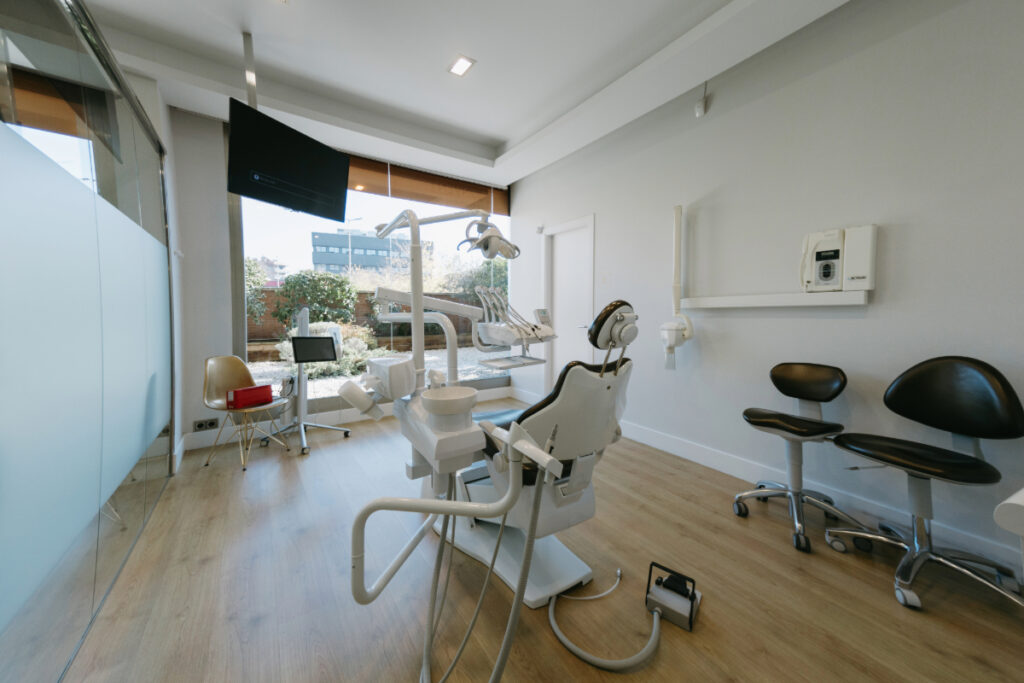
Located in the heart of Harpenden, we combine clinical expertise with innovative digital technology to restore smiles with precision and care. Our team ensures every step of your denture journey is tailored to your needs — from design to fitting and aftercare.
Discover how your digital dentures are designed and fitted with precision. Our team uses advanced scanning technology and careful craftsmanship to create dentures that feel secure, look natural, and enhance your confidence. With ongoing support and adjustments as needed, we ensure lasting comfort and a beautifully restored smile

We assess your oral health, take intraoral scans or traditional impressions, and discuss your options.

Using advanced CAD software, your dentures are designed to replicate your natural teeth and gum contours.

Your dentures are 3D printed using Lucitone Digital Print resin, then expertly finished and fitted for maximum comfort and aesthetics.

We provide guidance to help you adjust comfortably, along with any refinements needed for long-term satisfaction.
If you’re considering dentures for the first time — or looking to upgrade your existing set — digital dentures offer a faster, stronger, and more precise solution.
If you have further questions about Digital Dentures, please check out our FAQ’s. If you have more questions that are unanswered here, don’t hesitate to contact our team and we will aim to answer any questions you have.
Dentures are custom-made removable dental appliances that replace missing teeth and surrounding tissue, helping restore your smile, chewing ability, and facial support.
Anyone who has lost some or all teeth due to decay, gum disease, or injury can benefit from dentures to restore oral function and aesthetics.
The main types include full (complete) dentures, partial dentures, immediate dentures, and implant-supported dentures.
Full dentures replace all teeth in the upper or lower jaw and rest directly on the gums.
Partial dentures fill gaps when some natural teeth remain. They attach to existing teeth using clasps or precision attachments.
Immediate dentures are made in advance and placed right after tooth extraction, so you have teeth while your gums heal.
These are dentures anchored by dental implants placed in the jawbone, offering superior stability and retention.
Dentures are removable, whereas implants and bridges are fixed. Implants preserve bone, while traditional dentures rest on the gums.
Dentures are long-lasting but not permanent. Gum and bone changes over time mean they may need adjustments or replacements every few years.
You’re a good candidate if you’ve lost several teeth, have healthy gums, and want a non-surgical or affordable tooth replacement option.
Digital dentures are made using advanced CAD/CAM (computer-aided design and manufacturing) technology, 3D scans, and milling or 3D printing for highly accurate results.
Traditional dentures use physical moulds and manual adjustments, while digital dentures use digital scans for faster, more precise, and more comfortable results.
Not yet, both are effective. Digital dentures are growing in popularity due to precision and convenience, but traditional dentures remain a reliable option.
Digital dentures typically offer a more accurate, comfortable fit due to the precision of 3D scanning and computer design.
Yes. Your old dentures can be scanned and digitally replicated or improved for better comfort and fit.
Usually 2–3 visits instead of 4–5 for traditional dentures. The process is faster thanks to digital impressions and fewer try-ins.
Yes. They are milled from solid, pre-polymerized acrylic, making them denser, stronger, and more fracture-resistant than traditional dentures.
They may cost slightly more upfront due to advanced technology, but often last longer and require fewer adjustments, offering better long-term value.
Yes. Since your design is stored digitally, a new identical denture can be made quickly if lost or damaged.
Often yes — they are designed digitally to match your facial proportions, smile line, and natural tooth color more precisely.
The process involves impressions or scans, bite registration, try-ins, and final fitting — ensuring a comfortable, natural result.
Conventional dentures are fitted after gums heal (8–12 weeks), while immediate dentures are placed the same day as extraction.
Both work, but digital scans are faster, cleaner, and more accurate.
Dentures are shaped and adjusted to match your bite, jaw movement, and facial structure, ensuring optimal function and aesthetics.
Most patients adapt within 2–4 weeks, improving speech and chewing as they adjust.
Yes, slightly. You may lisp or find certain foods tricky at first, but practice and small adjustments help quickly.
Yes. Their precision fit reduces pressure points, irritation, and the need for frequent relining.
Traditional dentures may need adhesive, while digital and implant-supported options usually have better retention and suction.
Yes. They restore fullness to your cheeks and lips, reducing sagging and giving a more youthful appearance.
See your dentist for adjustments. Do not try to fix them yourself.
Costs depend on the type (full, partial, implant-supported, digital), materials, and laboratory work. Check our fees page for our latest pricing.
Many dental insurance plans cover part of the cost. Check your policy for details.
Yes. We offer flexible payment plans to make treatment affordable.
Economy dentures cost less but may not fit as precisely. Premium and digital dentures are more customised, natural-looking, and comfortable.
Brush daily with a soft brush and denture cleanser, and rinse thoroughly afterward.
No. Regular toothpaste can scratch, and hot water can warp dentures. Use lukewarm water and approved cleansers only.
Yes. Gently brushing your gums, tongue, and palate keeps your mouth healthy and improves circulation.
It’s best to remove them at night to let your gums rest and to keep them clean.
Keep them moist in water or a denture-soaking solution to prevent drying and warping.
Most dentures last 5–7 years but may need relining or replacement as your mouth changes.
Traditional dentures do not stop bone loss, but implant-supported dentures help maintain bone structure.
Natural bone and gum resorption cause dentures to loosen. Periodic adjustments or relining restore fit.
At least once a year for a check-up or sooner if you notice discomfort or looseness.
Never try to repair them yourself. Visit your dentist for professional repair or replacement.
Yes. Professional polishing and relining can restore comfort and shine.
Yes. Some are milled from solid blocks, while others are 3D printed, both offer precision and strength.
Your 3D denture design is securely stored digitally, making future remakes fast and easy.
Dental clinics usually keep records for several years for quick duplication or updates.
Yes. Existing dentures can be scanned digitally for upgrades or replacement.
Your dentist will recommend the most suitable option – traditional, digital, or implant-supported based on your oral health, expectations, and budget.
4A Leyton Rd,
Harpenden,
Hertfordshire,
AL5 2TL