
Teeth whitening is a professional cosmetic treatment that lifts stains and lightens the colour of your teeth, giving you a fresher, more youthful smile. Over time, teeth can become discoloured due to food, drinks, smoking, and natural ageing. At Harpenden Dental Practice, we offer two trusted whitening systems — Boutique Whitening and Enlighten — to help you achieve the shade you’ve always wanted, safely and comfortably.

Lifts stains and improves overall tooth shade.

Helps you feel more self-assured when you smile.

Options to suit your schedule and lifestyle.

Carried out under the care of a dental professional.

Your ideal level of brightness, tailored to your needs.

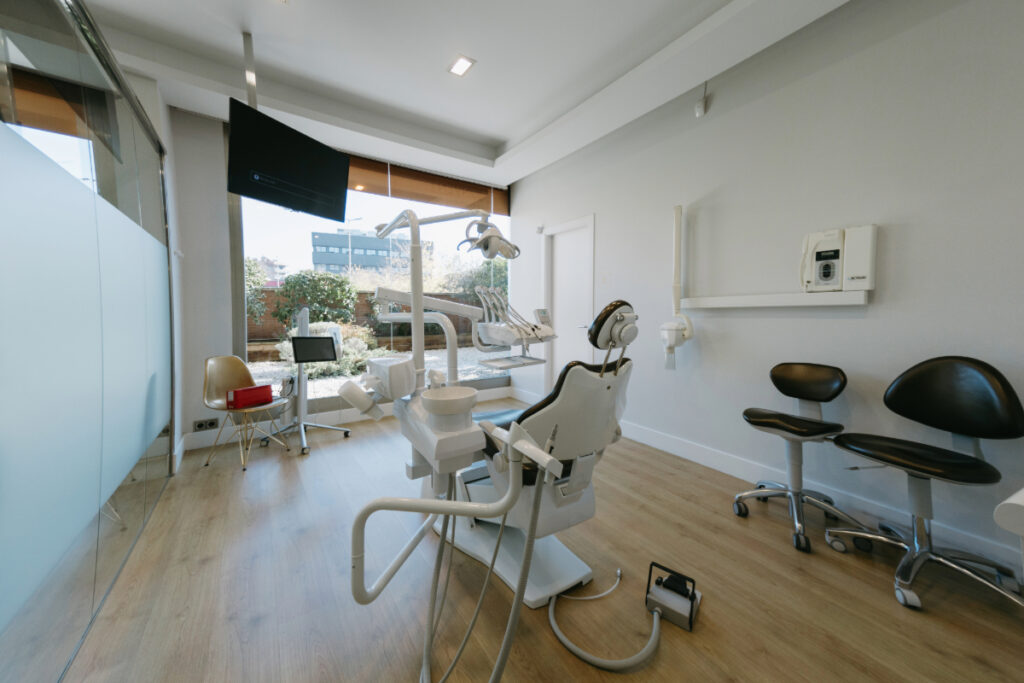
Located in the heart of Harpenden, our practice offers high-quality, personalised dental care in a welcoming and relaxing environment. Our skilled team provides expert whitening treatments designed to deliver natural-looking results that suit your features, lifestyle, and preferences.
Our whitening process is designed for both comfort and outstanding results, from start to finish.

We begin with a detailed consultation to check your oral health, discuss your whitening goals, and record your current tooth shade for comparison.

Impressions or digital scans are taken to create your bespoke whitening trays, ensuring an even and effective result.

For Boutique Whitening, you’ll use your trays with our professional-grade gel at home, either during the day or overnight, following your dentist’s instructions.

Enlighten includes an in-practice session for maximum brightness and stain removal, combined with at-home treatment for lasting results.
Transform your smile with professional teeth whitening – book your consultation today.
Check out our FAQ’s to see the most common patient questions answered. If you have any further questions, don’t hesitate to contact our team.
Teeth whitening is a cosmetic dental procedure that lightens the colour of your teeth by removing stains and discoloration.
Most healthy adults with discoloured or stained teeth are suitable candidates. Teeth with extensive restorations, untreated cavities, or severe sensitivity may require evaluation first.
Common causes include coffee, tea, red wine, smoking, aging, certain medications, and genetics.
Whitening is most effective on extrinsic stains (surface stains). Intrinsic stains (from medications or trauma) may require professional treatment or veneers for best results.
Yes. Professional whitening is safe when performed or supervised by a dentist. Sensitivity or minor gum irritation may occur temporarily.
Teeth whitening has been used for decades, with modern techniques providing faster and more predictable results.
Professional in-office whitening typically takes 10–90 minutes per session. Take-home whitening trays may require 1–2 weeks of daily use.
Teeth can become several shades lighter. Final results depend on original tooth colour, type of stains, and whitening method.
Pregnant or breastfeeding women and children under a certain age should avoid whitening unless advised by a dentist.
Costs vary depending on whether you choose in-office treatment, take-home trays, or over-the-counter products. A dentist can provide an accurate estimate.
Whitening agents (usually peroxide-based) penetrate the enamel to break down stains and lighten the color of the teeth.
Most patients experience minimal discomfort. Some may feel temporary sensitivity or gum irritation.
Custom trays hold whitening gel against the teeth for a set period each day, gradually lightening tooth colour.
Typically, you should wear whitening trays according to the manufacturer’s instructions, which can vary depending on whether you are using a daytime or night-time whitening system.
Yes. Whitening can be done before cosmetic procedures like veneers, bonding, or orthodontic treatments to ensure a uniform colour.
In-office whitening often requires 1-3 sessions. Take-home trays may require 1–2 weeks. Results vary depending on stain type and severity.
No. Whitening only works on natural teeth. Crowns, veneers, and fillings will not change colour and may need replacement for a uniform shade.
Yes, but results are slower, less predictable, and overuse can cause enamel damage or sensitivity. Professional guidance is recommended.
When used correctly under supervision, professional whitening does not damage enamel. Excessive or improper use can cause temporary sensitivity or surface roughness.
Avoid staining foods and drinks for 24–48 hours. Brush gently, floss regularly, and use a soft-bristled toothbrush.
Avoid coffee, tea, red wine, dark berries, tomato sauce, and colored sodas immediately after treatment.
Results typically last 6 months to 2 years, depending on diet, oral hygiene, and lifestyle habits.
Mild sensitivity is common for a few hours to a few days. Using desensitizing toothpaste and avoiding extreme temperatures can help.
Yes, but avoid abrasive toothpaste immediately after treatment to prevent enamel wear.
Smoking can stain teeth and reduce the longevity of whitening results. Limiting or quitting smoking is recommended.
Avoid staining foods and drinks for at least 24 hours. Water is safe immediately after treatment.
Yes, but ideally wait at least 24–48 hours to minimise re-staining. Using a straw can also help protect front teeth.
Yes. Whitening toothpaste helps remove surface stains and maintain brightness but does not change intrinsic tooth colour.
Temporary tooth sensitivity, gum irritation, uneven results, or mild enamel changes can occur. Professional guidance minimises risks.
Permanent sensitivity is rare. Most sensitivity resolves within a few days.
No, but restorations (crowns, fillings) do not lighten, which may cause color mismatch.
Yes. Pre-existing stains, restorations, or enamel thickness can cause slight color variations.
Yes. Overuse can damage enamel, increase sensitivity, and cause gum irritation. Always follow instructions.
Professional whitening is generally not recommended for children under 16, as teeth and enamel are still developing.
Most dentists recommend postponing whitening during pregnancy or breastfeeding.
Gum irritation can occur if whitening gel contacts gums. Proper application and protective measures minimise risk.
Sensitivity is usually temporary. Using desensitising products can prevent long-term issues.
Yes. Teeth with intrinsic stains from trauma, medications, or fluorosis may not respond fully to whitening. Alternative cosmetic options may be needed.
Whitening lightens natural teeth only, while veneers or bonding can correct shape, alignment, and intrinsic colour that whitening cannot.
Yellow teeth generally respond well. Grey or brown teeth may need alternative treatments for noticeable improvement.
Yes. Whitening can be done after orthodontic treatment to achieve a uniform, bright smile.
Professional whitening is faster, more predictable, and safer. OTC products are less potent and may produce uneven results.
Yes. In-office whitening can produce noticeable results in a single session.
No. Whitening does not remove plaque or tartar. Regular dental cleanings are still essential.
Yes. Dentists may use lower-concentration gels, desensitising products, or customised trays for sensitive teeth.
Teeth darkened by trauma may respond partially to whitening, but alternative cosmetic treatments may be required for full improvement.
Yes. Whitening first ensures that restorative work matches the final tooth colour.
Professional whitening can typically be repeated every 6–12 months, depending on staining habits and dental health.
4A Leyton Rd,
Harpenden,
Hertfordshire,
AL5 2TL